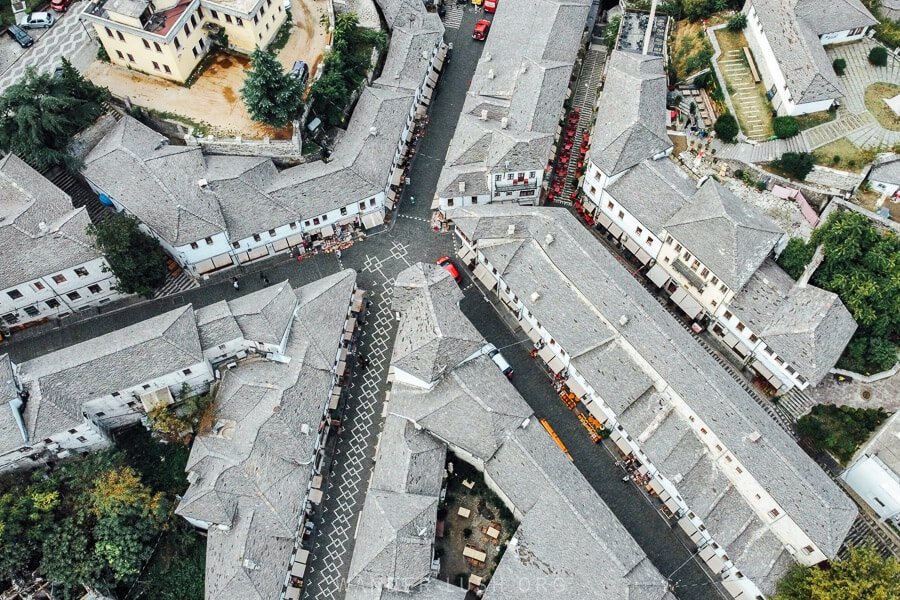
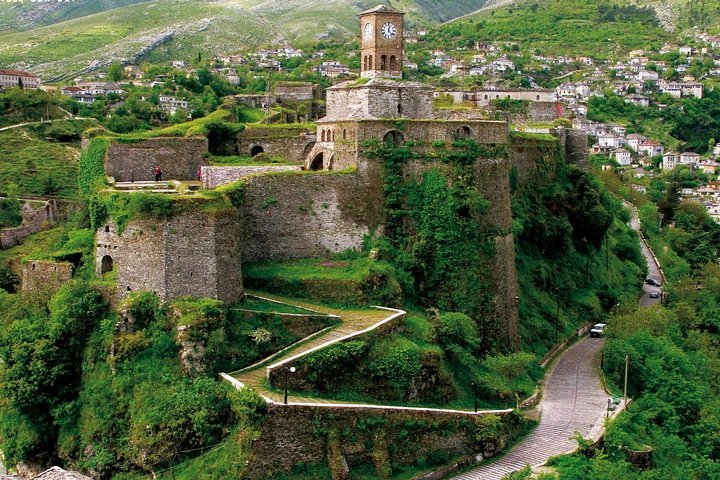
Aerial view of Gjirokastër: grey stone-slab roofs over narrow paved streets

Discover the City of Gjirokastër Albania's Hidden Gem. Where Stones Tell Stories.

A UNESCO World Heritage city of slate roofs, Ottoman stone houses and a castle over the valley. Everything you need to plan the trip.

Thirteen places worth the climb

From the castle to a Cold War tunnel beneath the cobbles, the old town is best explored on foot, stone by stone.

Castle of Gjirokastër (opens in a new tab)

Perched atop the hillside of the "City of Stone", a fortress of history, mystery and breathtaking views. One of the largest castles in the Balkans, with Ottoman-era battlements, Cold War artifacts including a preserved military plane, and the National Arms Museum.
Zekate House (opens in a new tab)

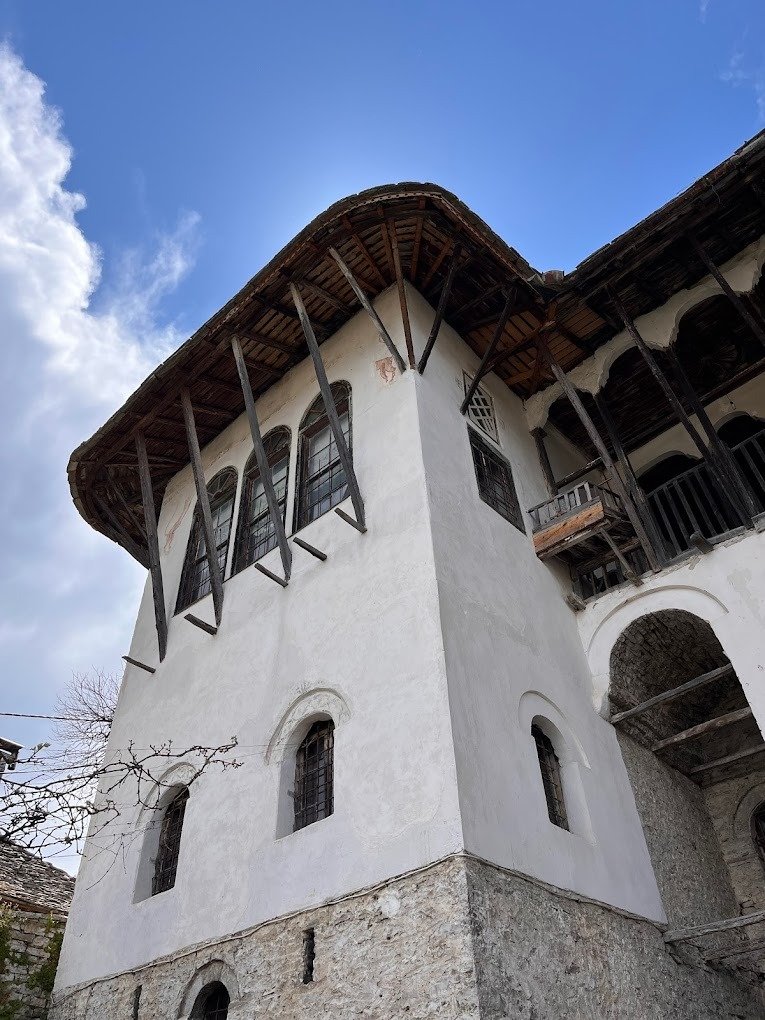
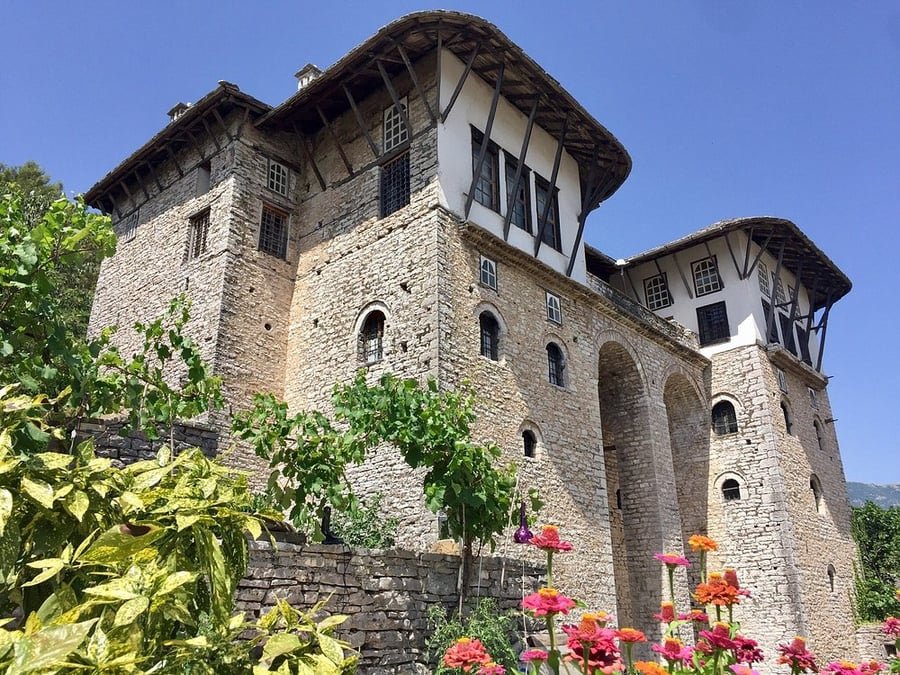
A magnificent example of Ottoman-era architecture, built in 1812. Three stone stories with wood-carved ceilings, colorful frescoes and panoramic views of the cityscape.

Skënduli House (opens in a new tab)

A meticulously preserved 18th-century Ottoman house with 4 hamams, 9 fireplaces and 12 decorated ceilings, plus double walls for privacy and insulation.

The Cold War Tunnel (opens in a new tab)

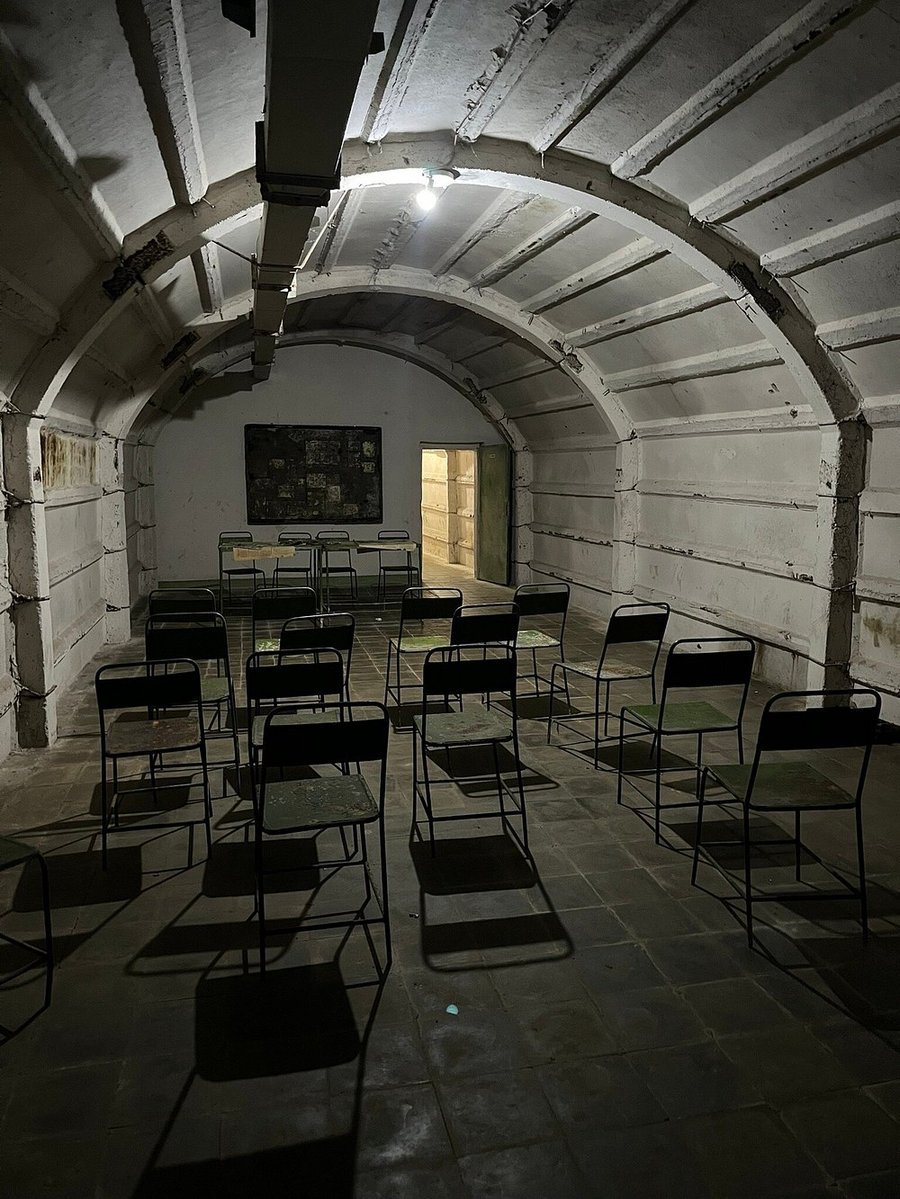
A chilling reminder of Albania's turbulent Cold War history beneath the cobblestone streets. Built in the 1970s under Enver Hoxha's regime, it stretches over 80 meters with more than 80 rooms: meeting chambers, offices and sleeping quarters.

Kadare's House (opens in a new tab)

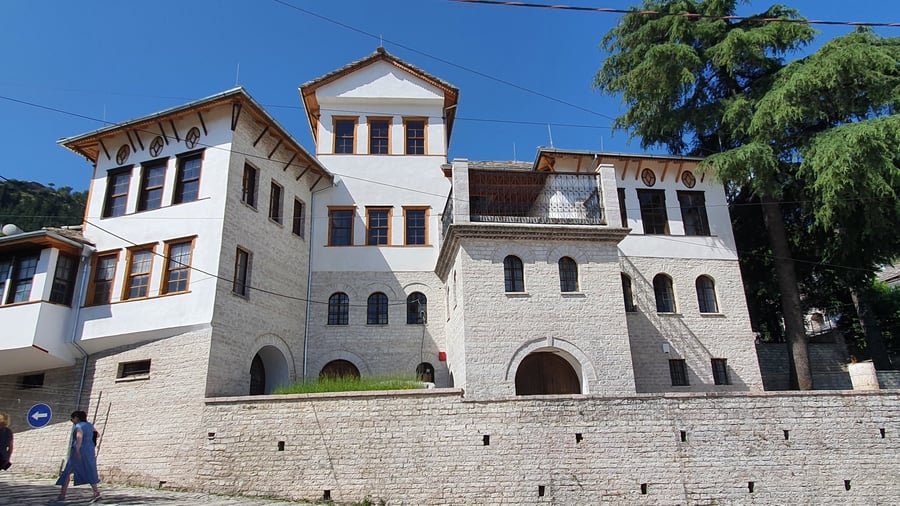
The home of writer Ismail Kadare, now a public museum, where he was born and spent his childhood. Built in 1799 and a Cultural Monument since 1991, it inspired his book Chronicle in Stone.

Ethnographic Museum (opens in a new tab)

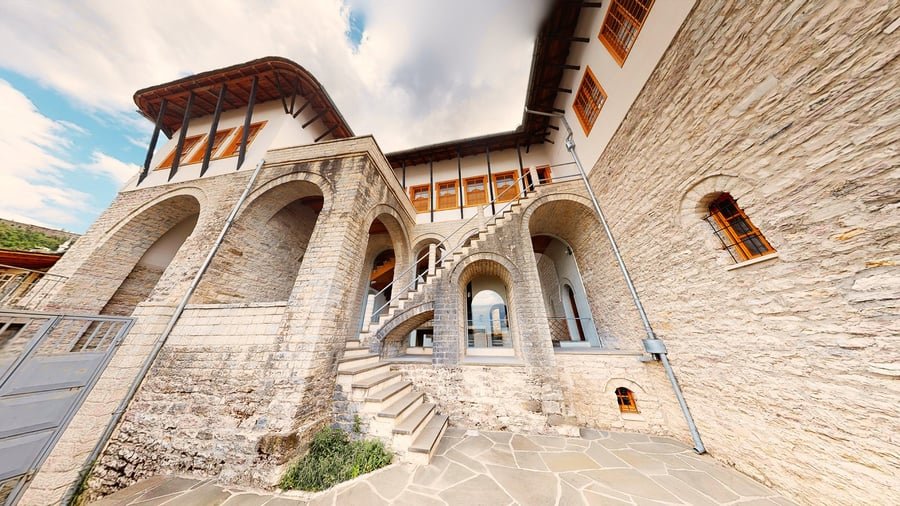
A treasure trove of Albanian history and culture in an Ottoman-style building: the birthplace of Enver Hoxha. Traditional costumes, handcrafted tools and household items, with intricate woodwork and carved ceilings.

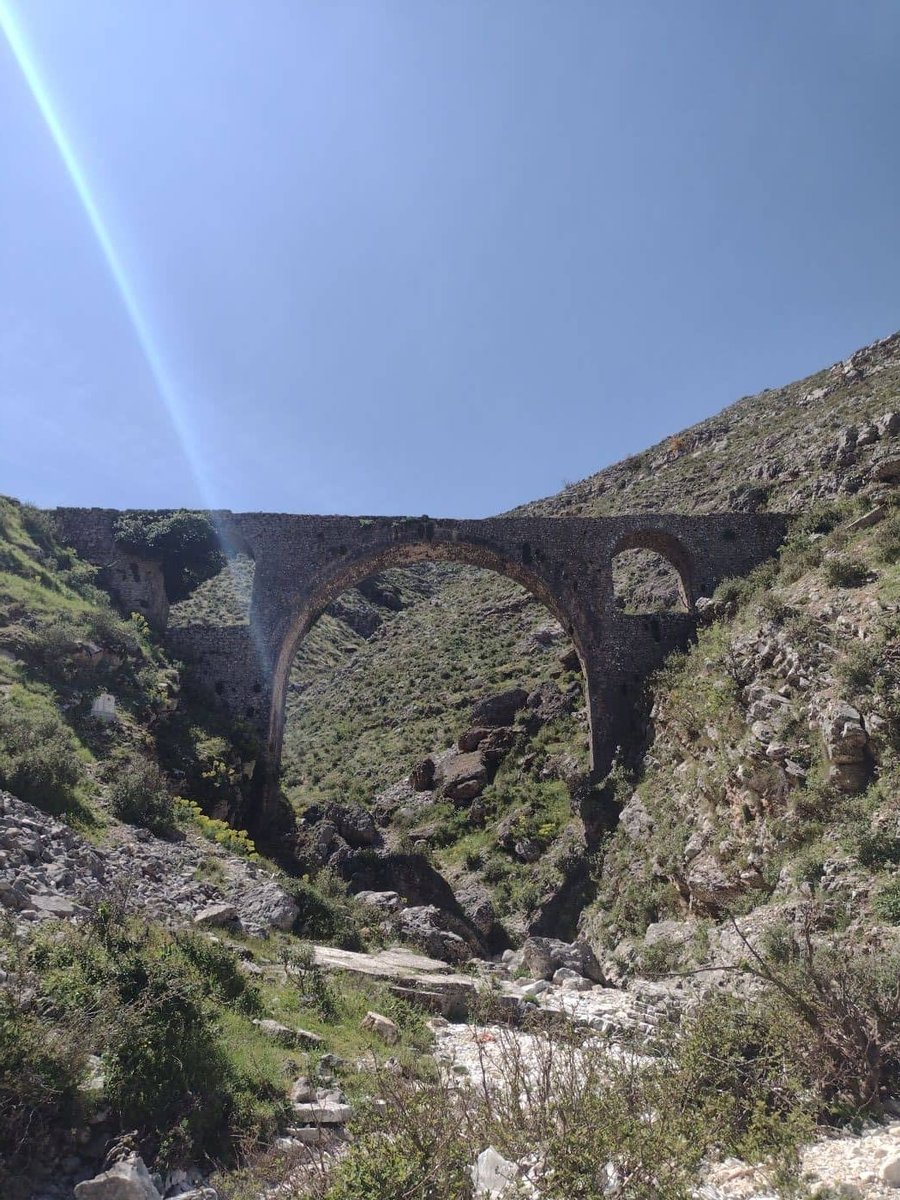
Ali Pasha's Bridge (opens in a new tab)

Wedged between two rocky hills in a valley of goat trails and footpaths: a 200-year-old stone bridge of early 19th-century Ottoman engineering, once part of an aqueduct supplying Ali Pasha's fortress.

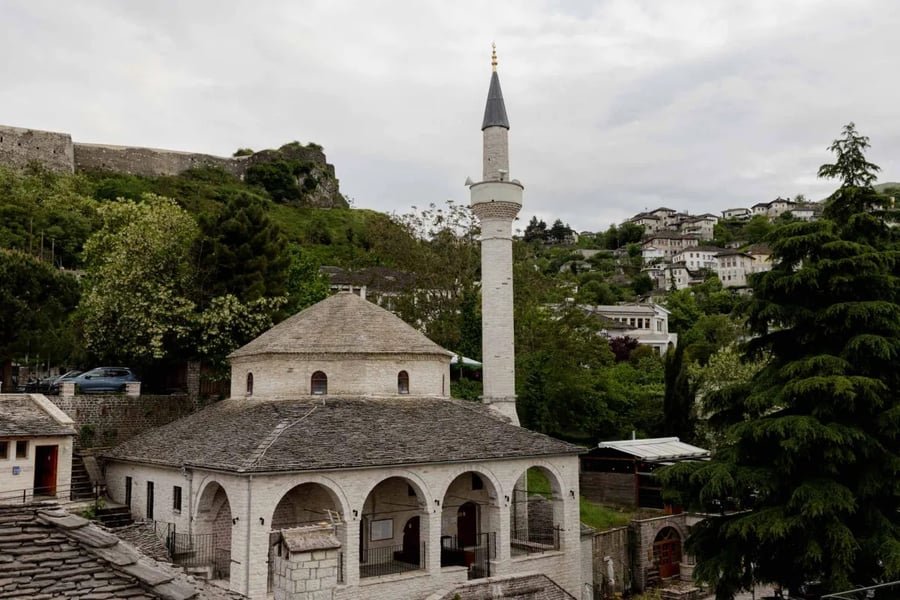
Bazaar Mosque (opens in a new tab)

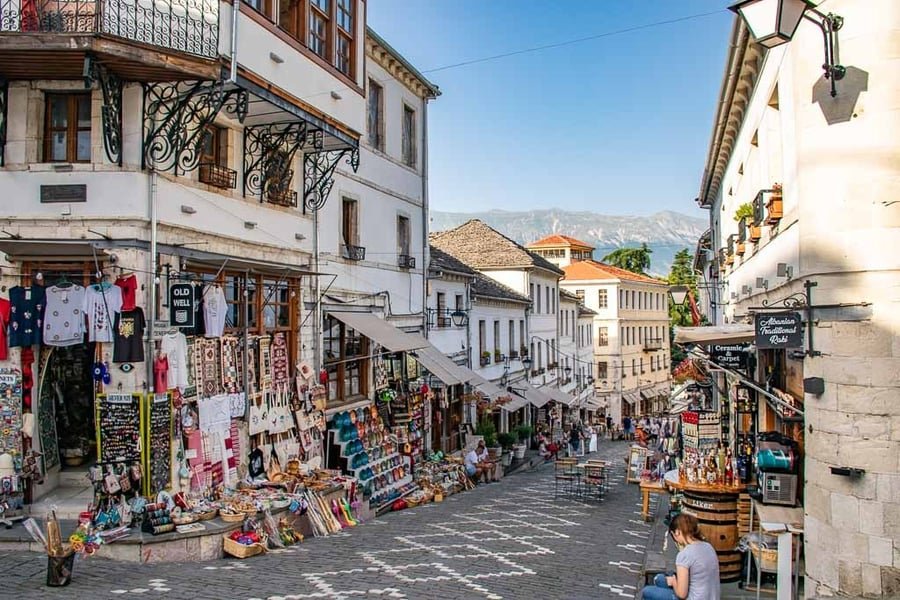
In the heart of the historic bazaar, a mid-18th-century mosque, modest yet elegant, with stone walls, a domed roof and a slender minaret among the cobblestone streets.

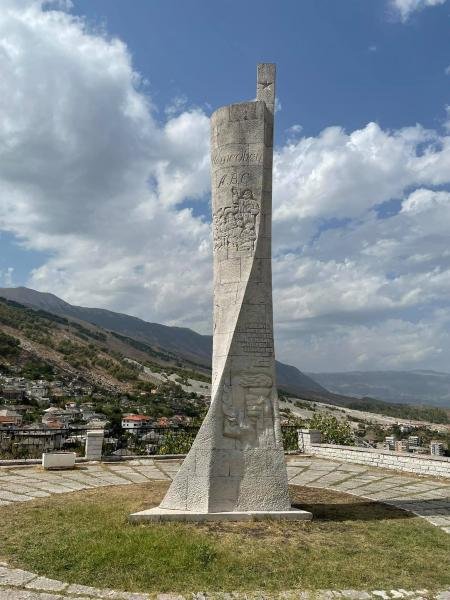
The Obelisk (opens in a new tab)

Perched atop the old town, a monument to education and the first Albanian school in the city. Erected in 1968, in Albania's communist era.

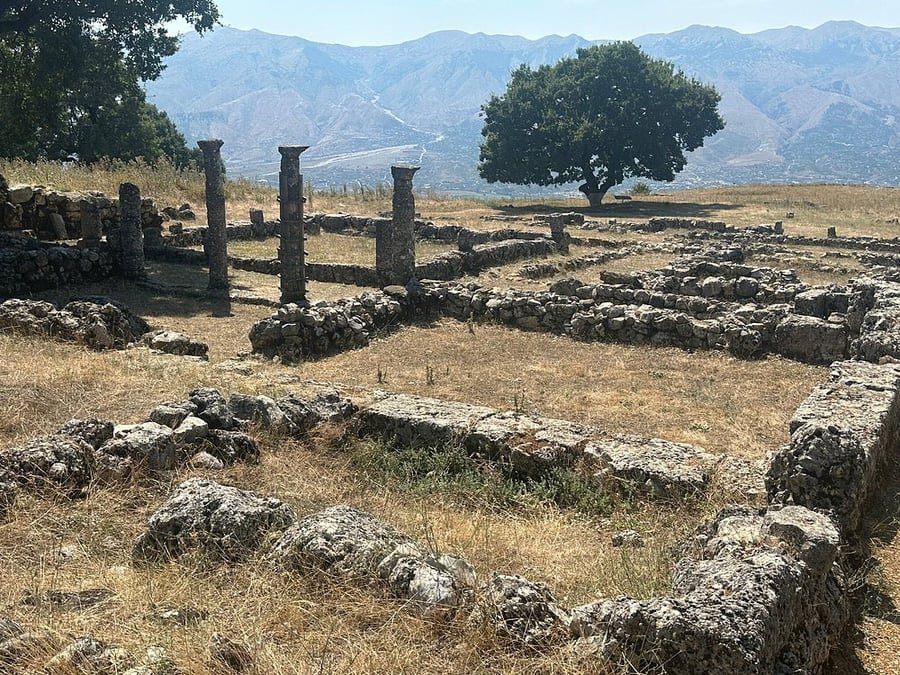
Antigonea Archaeological Park (opens in a new tab)

14 kilometers from Gjirokastër, a Hellenistic city founded in the 3rd century BCE by King Pyrrhus of Epirus and named after his wife. Destroyed in the Roman conquest of 167 BCE; remnants remain to explore.

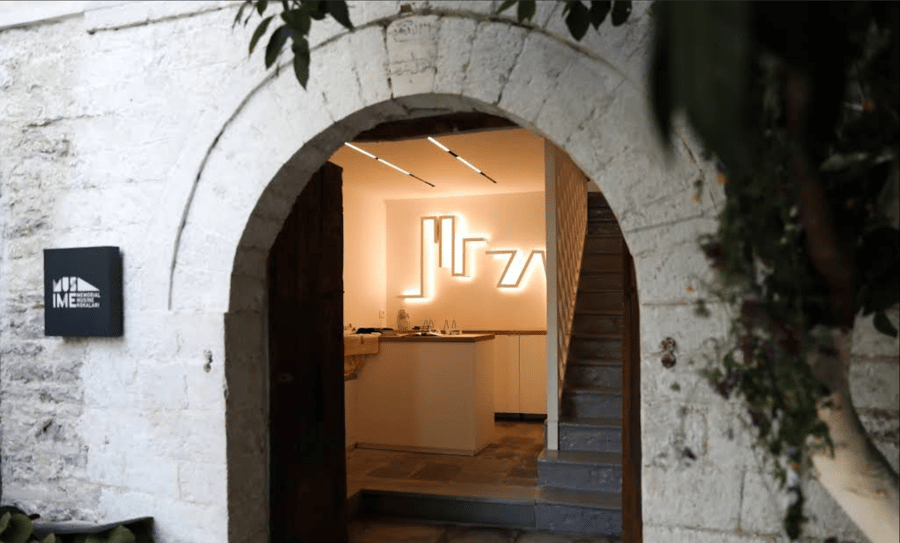
Musine Kokalari's Memorial (opens in a new tab)

"Muza Ime": a cultural space dedicated to Albania's first published female writer and a symbol of intellectual resistance. A restored traditional home with personal artifacts, photographs and writings.

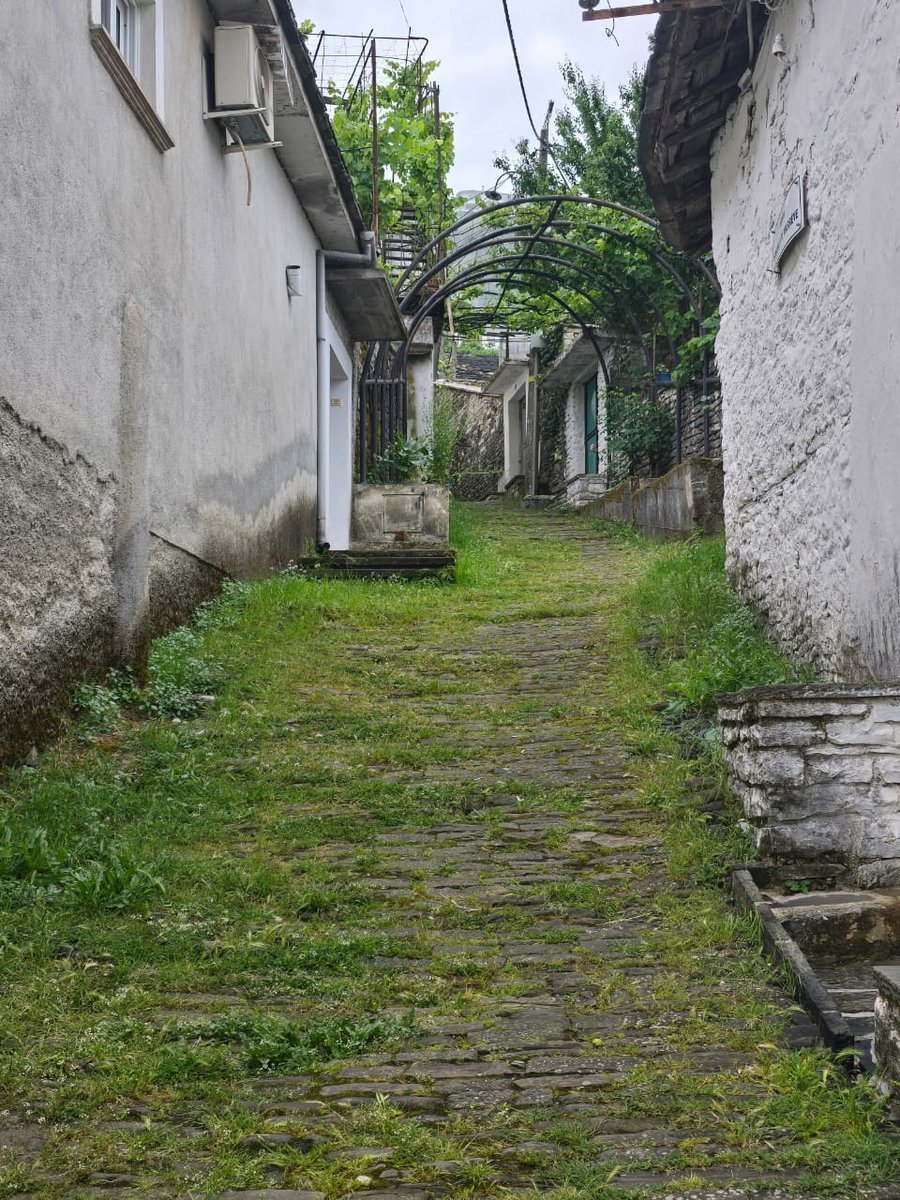
Sokaku i të Marrëve alley

Sokaku i të Marrëve

The Alley of the Madmen: a narrow, stone-paved alley wrapped in local legend, honoring eccentric poets and unconventional thinkers, where imagination and reality quietly coexist.

Eat & drink

Traditional Albanian kitchens with hillside views, and bars in restored stone houses. Each link opens Google Maps.

Restaurants

Taverna Kuka

Set on a hillside with stunning views, traditional cuisine with a modern touch, served in a warm, inviting atmosphere.

Open in Maps →

Kodra Restaurant

Stunning views of Gjirokastër, traditional dishes and fresh, local ingredients in a sophisticated yet relaxed setting.

Open in Maps →

eDua Restaurant

A blend of tradition and innovation: modern takes on classic Albanian flavors in a welcoming atmosphere.

Open in Maps →

Restaurant Kashah

Nestled in a picturesque setting, a delightful mix of authentic Albanian cuisine and fresh, local ingredients.

Open in Maps →

Furra Restaurant

A charming spot known for its wood-fired pizzas and traditional Albanian dishes, in a cozy atmosphere.

Open in Maps →

Restaurant Odaja

A hidden gem with authentic flavors and rustic charm: traditional Albanian cooking in a cozy, stone-walled setting.

Open in Maps →

Te Kalaja Restaurant

A cozy, family-run spot serving time-honored Gjirokastër recipes with a view, just steps from the castle.

Open in Maps →

Vojsava Restaurant

A welcoming mix of traditional flavors and modern touches: hearty Albanian dishes in a relaxed, homey atmosphere.

Open in Maps →

Taverna Kardhashi

A true taste of Gjirokastër: homemade Albanian classics in a warm, rustic setting that feels like home.

Open in Maps →

Bars

Hangover Cocktail Bar

A vibrant cocktail spot blending upbeat music and creative drinks, the place to unwind in Gjirokastër.

Open in Maps →

Gallery Irish Pub

A cozy blend of pub charm and local warmth: cold pints, good music and good vibes in the heart of Gjirokastër.

Open in Maps →

Babameto Cocktail Bar

In a beautifully restored historic home, handcrafted cocktails in a cozy atmosphere that captures the spirit of Gjirokastër.

Open in Maps →

Komiteti Bar

A quirky, nostalgic bar serving Albanian raki and culture in every glass, where tradition blends with retro charm.

Open in Maps →

Bukowski Bar

A moody, bohemian hideout inspired by Bukowski: good drinks, deep conversations and laid-back vibes.

Open in Maps →

The Black Rose Pub

A lively spot with a touch of mystery: great drinks, vibrant music, and an atmosphere where every night feels like a celebration.

Open in Maps →

What people say

Two visitors on their time in the city.

Before you go

Quick answers to what visitors ask most.

What is the best time to visit Gjirokastër?

The best time to visit is during spring (April–June) and fall (September–October), when the weather is pleasant and ideal for exploring.

Is Gjirokastër family-friendly?

Absolutely! It's a peaceful city with historical charm, cultural experiences, and safe walking areas.

How do I get to Gjirokastër?

You can reach Gjirokastër by bus or car from major cities like Tirana or Sarandë.

Can I find vegetarian or vegan food?

Yes, while the local cuisine is meat-heavy, many restaurants offer vegetarian options, and you'll find fresh produce and traditional dishes like stuffed vegetables and byrek.

Are there guided tours available?

Yes, several local guides offer walking tours of the Old Bazaar, the castle, and other nearby attractions.

Do I need cash or can I use card?

Many places accept card, but it's best to carry some cash, especially for small shops or local markets.

What souvenirs can I buy in Gjirokastër?

Popular souvenirs include handmade rugs, silver jewelry, wooden crafts, olive oil, and local raki.

Is Gjirokastër safe for tourists?

Yes, it's considered a very safe city. Like anywhere, stay aware of your surroundings and keep valuables secure.

Are there ATMs in Gjirokastër?

Yes, several ATMs are available in the city center and near the Bazaar area. Most accept international cards.

Are there day trips from Gjirokastër?

Yes! Popular ones include the Blue Eye (Syri i Kaltër), Antigonea Archaeological Park, and the town of Përmet with its thermal baths.

How are the roads in Gjirokastër?

Roads are generally decent but can be narrow and winding in mountainous areas — drive cautiously.

What is the local currency?

The currency is the Albanian Lek (ALL). Euros are sometimes accepted in tourist spots, but it's best to use lek for local purchases.

Got a question, or want to feature your business?

Write to us and we'll reply in a timely manner.

info@explore-gjirokaster.com